Latest articles
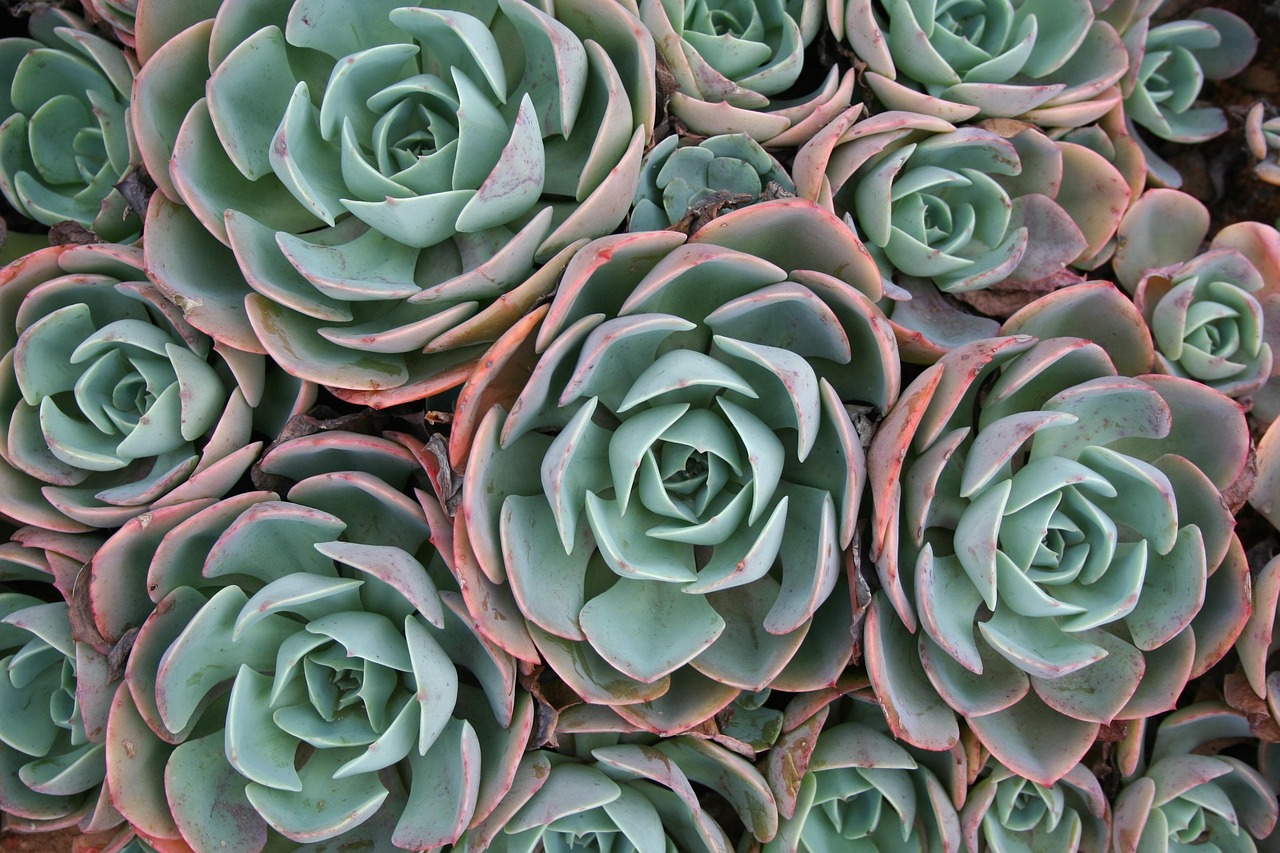
Echeveria desmetiana.
Echeveria desmetiana is a charming succulent, known for its thick, pointed leaves, which are arranged in compact rosettes. Its color ranges from bluish-green to silvery, with pinkish or purplish hues on the edges, depending on sun exposure. The texture of its leaves is smooth and waxy, giving it an elegant and sophisticated look. As for size, Echeveria desmetiana usually reaches about 10 to 15 centimeters in diameter, making it ideal for decorating small spaces. Regarding watering care, Echeveria desmetiana, like most succulents, prefers dry soils. Water only when the substrate is completely dry, avoiding water accumulation, which can lead to root rot. In winter, the watering frequency should be reduced, as the plant enters a period of dormancy.
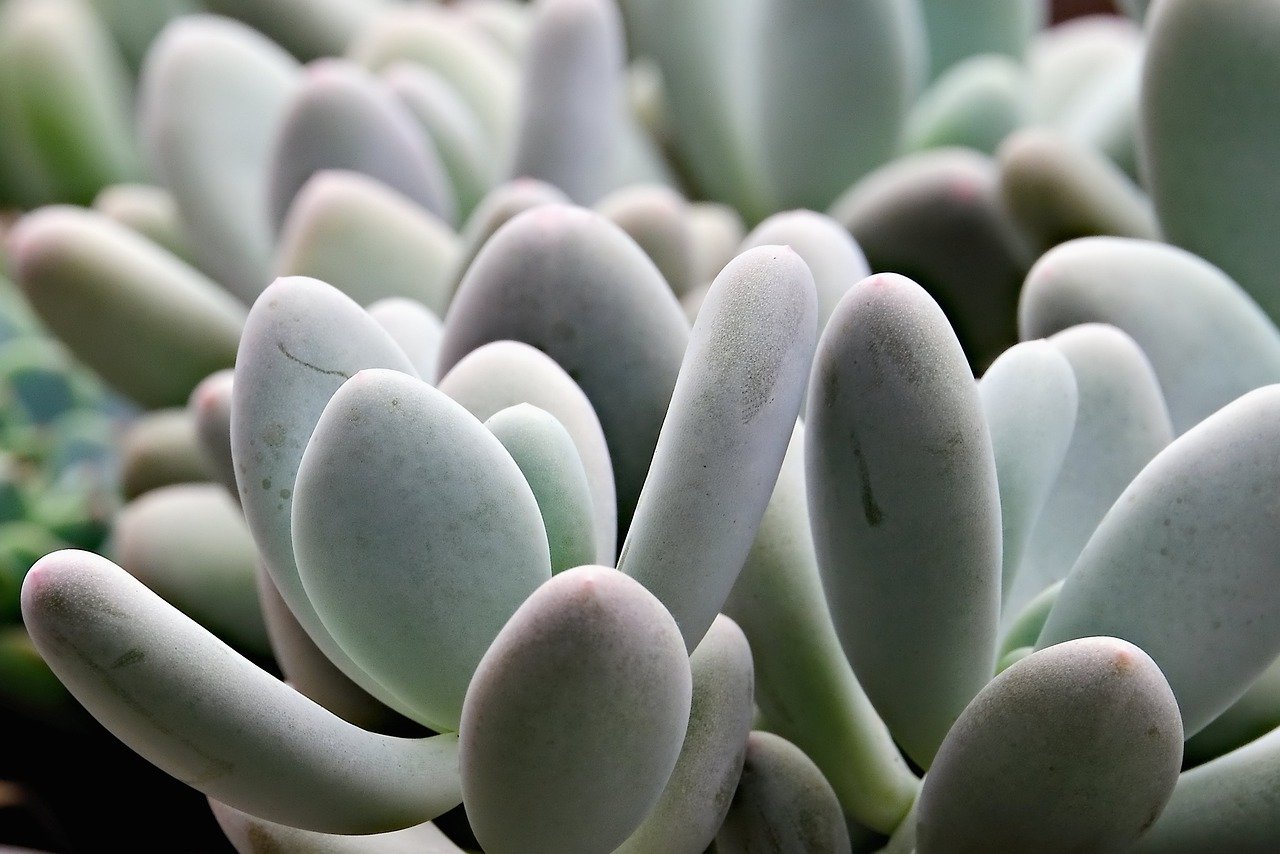
Pachyphytum oviferum.
Pachyphytum oviferum, also known as "Moonstone," is a succulent that enchants with its plump, rounded leaves covered in a white bloom that gives it a silvery, luminous appearance. Its color can vary from bluish-green to lilac, with pinkish hues on the edges, depending on sun exposure. The texture of its leaves is smooth and waxy, making them very pleasant to the touch. As for size, Pachyphytum oviferum usually does not exceed 10 centimeters in height, forming compact rosettes that spread slowly. When it comes to watering care, Pachyphytum oviferum, like most succulents, prefers dry soils. Water only when the substrate is completely dry, checking the moisture with your finger or a stick. In winter, the watering frequency should be drastically reduced, as the plant enters a period of dormancy. Excess water can be fatal to this succulent, as its roots are susceptible to rotting.
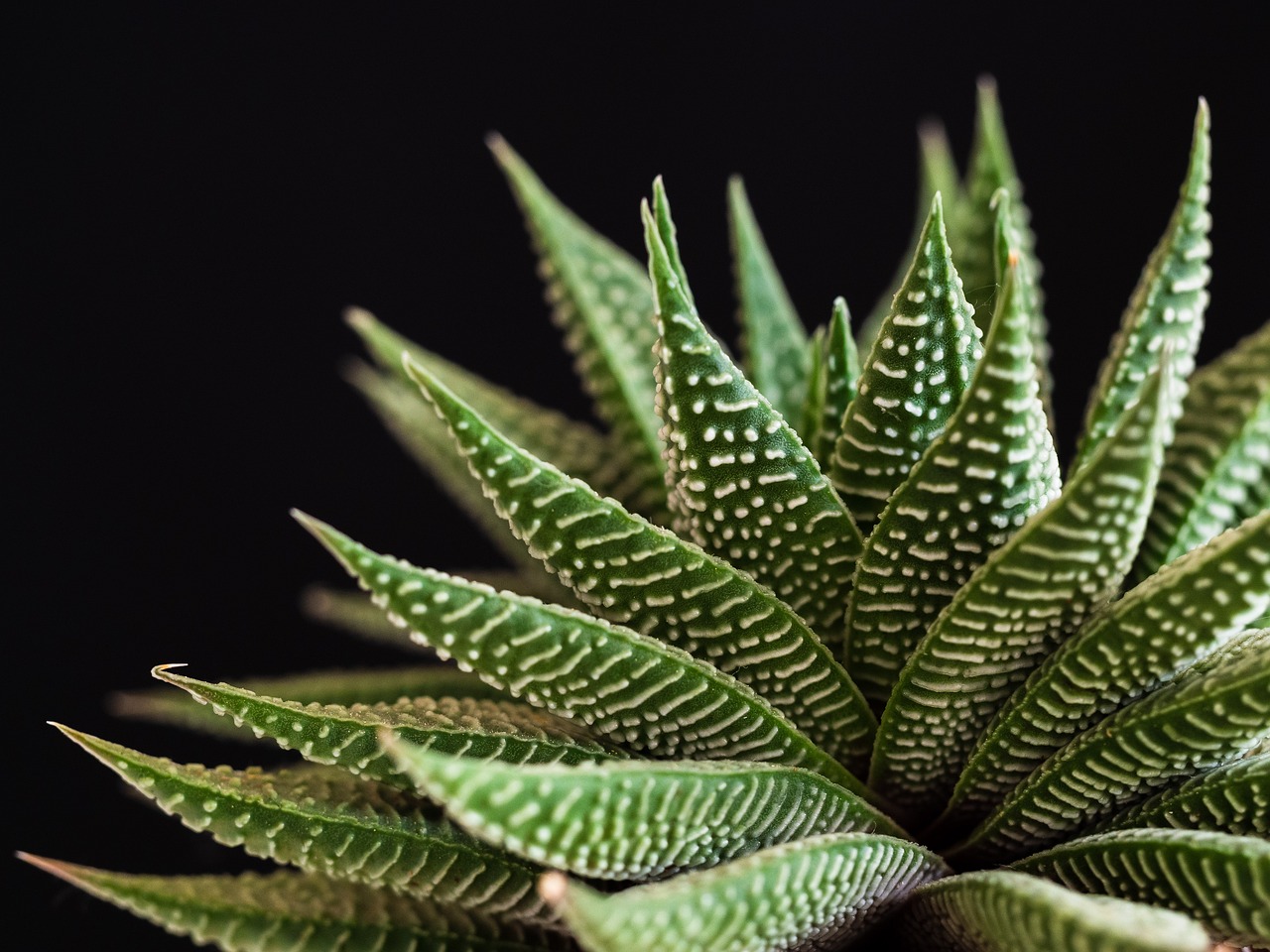
Haworthia fasciata.
Haworthia fasciata, popularly known as "Zebra Plant", is a compact succulent that stands out for its triangular, dark green leaves with transverse white stripes that resemble the stripes of a zebra, which gives it a special charm. Its leaves are thick, with a slightly rough texture and thin tips, arranged in rosettes that usually do not exceed 10-15 cm in height. As for watering care, Haworthia fasciata, like most succulents, prefers dry soils. Water only when the substrate is completely dry, checking the moisture with your finger or a stick. In winter, the watering frequency should be reduced, as the plant enters a period of dormancy. Excess water can be harmful to this succulent, as its roots are susceptible to rotting.